
🌱 Fresh Microgreens in Tamil Nadu: Health Benefits, Nutrition Facts & Daily Uses
In today’s fast-paced lifestyle, eating healthy often feels complicated. Between long working hours, inconsistent meal timing, and reliance on stored vegetables, maintaining proper nutrition becomes a challenge.
But what if improving your diet didn’t require a complete lifestyle change?
That’s where fresh microgreens come in.
These small, nutrient-dense greens are quietly transforming how people across Tamil Nadu approach healthy eating. Whether you’re in a busy city or a smaller town, microgreens offer a simple way to add fresh, chemical-free nutrition to your daily meals.
This guide goes beyond generic advice. You’ll learn not just the benefits—but also how microgreens fit into local Indian diets, climate conditions, health benefits and real-life usage.
🌿 What Are Fresh Microgreens?
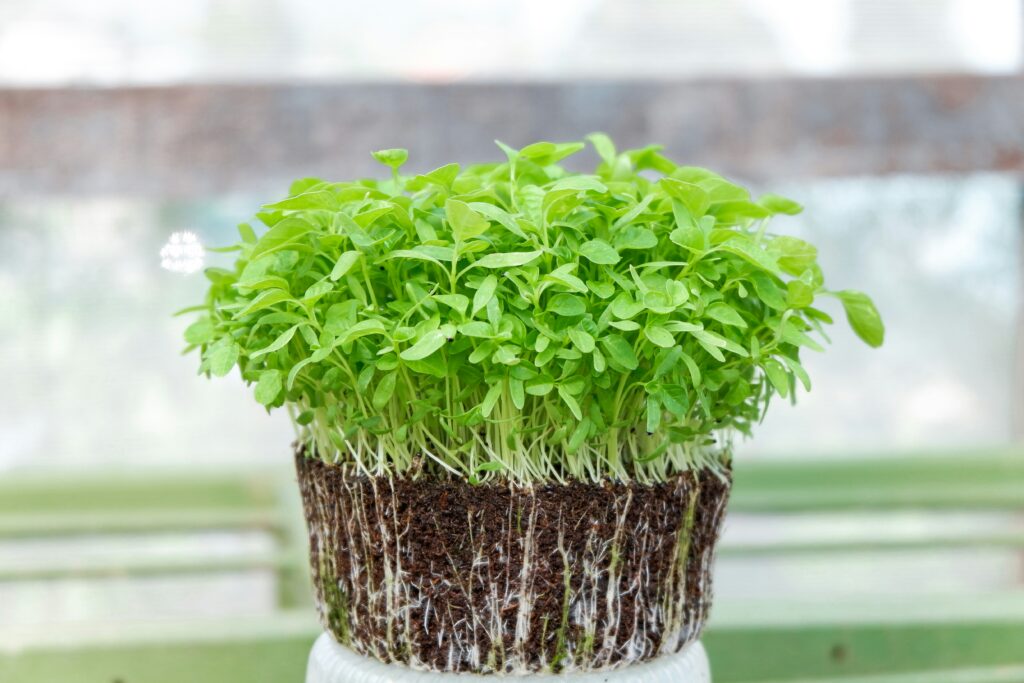
Microgreens are young vegetable greens harvested within 7–14 days after germination, right after the first true leaves develop. At this stage, the plant is at its peak in terms of flavor and nutrient density.
They are not the same as sprouts. Unlike sprouts (which are consumed whole), microgreens are cut above the soil and eaten as tender greens.
Common varieties include broccoli, radish, sunflower, pea shoots, and mustard—each offering a unique taste profile ranging from mild and nutty to spicy and peppery.
đź§Ş Are Microgreens Really More Nutritious?
You’ve probably heard the popular claim that microgreens contain “up to 40 times more nutrients” than mature vegetables.
This idea originates from research conducted by the United States Department of Agriculture (USDA), which analyzed nutrient levels in young greens. The study found that certain microgreens—such as red cabbage, cilantro, and radish—had significantly higher concentrations of vitamins like C, E, and K compared to their mature counterparts.
However, it’s important to interpret this correctly:
- Not all microgreens are 40x more nutritious
- Nutrient levels vary by plant type
- They are best seen as nutrient-dense supplements, not replacements for vegetables
In simple terms: Microgreens help you get more nutrition facts in smaller portions.
đź’Ş Health Benefits of Fresh Microgreens
Microgreens are valued not just for their nutrient density, but for how easily they fit into daily eating habits.
Natural Immunity Support
Rich in Vitamin C and antioxidants, microgreens help reduce oxidative stress—especially important in urban environments with pollution and stress.
Supports Heart Health
Certain varieties, particularly broccoli microgreens, contain compounds like sulforaphane that are being studied for their potential cardiovascular benefits.
Improved Digestion
Because they are fresh and minimally processed, microgreens provide natural fiber and plant enzymes that support gut health.
Helps with Weight Management
They are low in calories yet satisfying when added to meals, making them ideal for people trying to maintain or reduce weight.
Skin & Hair Support
Nutrients like Vitamin E and beta-carotene contribute to healthier skin and stronger hair over time.
🇮🇳 A Real Story: Growing Microgreens in Tamil Nadu
When we began growing microgreens at sheelasmicrogreen.in, we quickly realized that climate matters more than most people think.
Tamil Nadu’s environment presents unique challenges:
- High temperatures for most of the year
- Humidity variations depending on the region
- Sudden weather shifts during monsoon
Microgreens are sensitive crops. Too much heat can dry them out quickly, while excess moisture can lead to mold.
🌱 What We Learned from Local Growing
To consistently deliver high-quality microgreens, we had to adapt:
Instead of relying on open farming, we shifted to controlled indoor growing. This allowed us to regulate temperature and humidity more precisely. Watering cycles were adjusted daily depending on weather conditions, and harvest timing became critical—sometimes even a one-day delay affected quality.
This experience highlights something important for customers:
👉 Fresh, locally grown microgreens are always better than transported ones.
They are:
- Harvested closer to delivery time
- Less exposed to storage conditions
- More nutrient-retained
This is especially relevant in India, where supply chains often reduce freshness before food reaches your plate.
🍽️ How to Use Fresh Microgreens in Daily Indian Meals
One of the biggest advantages of microgreens is how easily they fit into Indian food habits.
Instead of changing your diet, you simply enhance what you already eat.
For example, adding a handful of microgreens to idli or dosa gives a fresh contrast to soft textures. Mixing them into hot dal just before serving adds both nutrition and a mild crunch without altering taste.
They also work well in chapati rolls, poha, and upma—common dishes in Tamil households. Even a simple garnish on rice can make a noticeable difference in both flavor and nutrition.
For those following fitness diets, microgreens can be blended into smoothies—but for most people, adding them fresh to meals is the easiest approach.
👉 One important tip:
Avoid overcooking microgreens. Heat can reduce some of their nutritional value.
🏡 Fresh Microgreens vs Regular Vegetables
Instead of replacing vegetables, microgreens complement them.
While traditional vegetables provide bulk and fiber, microgreens deliver concentrated nutrients in small quantities. Their short growth cycle also means they are consumed fresher, with minimal storage loss.
In practical terms, this means:
👉 Use vegetables for volume, microgreens for nutrition boost.
đźšš Why Freshness Matters in India
In India, vegetables often pass through multiple stages—harvesting, transport, storage, and retail handling. By the time they reach your kitchen, freshness may already be reduced.
Microgreens follow a much shorter cycle.
At sheelasmicrogreen.in, they are harvested and packed quickly, minimizing nutrient loss and ensuring better taste. This shorter supply chain is one of the biggest advantages of microgreens compared to conventional produce.
đź›’ How to Choose Quality Microgreens
When buying microgreens, look for visual freshness. Healthy eating microgreens have vibrant color, a clean smell, and a crisp texture.
Avoid anything that appears wilted, overly wet, or sour-smelling. These are signs of poor storage or aging.
Buying from a trusted local source ensures consistency and safety.
🌱 Why Choose Sheela’s Microgreens?
At sheelasmicrogreen.in, the focus is on quality, freshness, and local relevance.
Microgreens are grown in controlled conditions suited for Tamil Nadu’s climate, without the use of harmful chemicals. Each batch is harvested fresh to maintain taste and nutrition.
This approach ensures that customers receive produce that is not just healthy—but also reliable and consistent.
🚀 Start Adding Fresh Microgreens to Your Diet Today
If you’re looking for a simple way to improve your daily nutrition, microgreens are one of the easiest starting points.
👉 You don’t need to change your entire diet.
👉 You don’t need expensive supplements.
Just start small—add a handful to your daily meals.
👉 Ready to try fresh microgreens?
Visit sheelasmicrogreen.in to explore available varieties and order fresh, locally grown microgreens delivered to your doorstep.
âť“ Frequently Asked Questions (FAQ)
What are fresh microgreens?
Fresh microgreens are young vegetable greens harvested early, known for their high nutrient density and strong flavor.
Are microgreens safe to eat daily?
Yes, when grown hygienically and consumed fresh, microgreens are safe for daily consumption.
How much should I eat per day?
A small handful (10–20 grams) is enough to gain nutritional benefits.
Do microgreens need to be cooked?
No, they are best consumed raw or lightly added to dishes after cooking.
Where can I buy fresh microgreens in Tamil Nadu?
You can order directly from local growers like sheelasmicrogreen.in for maximum freshness.
